Why select an enclosed trailer in Raleigh, NC
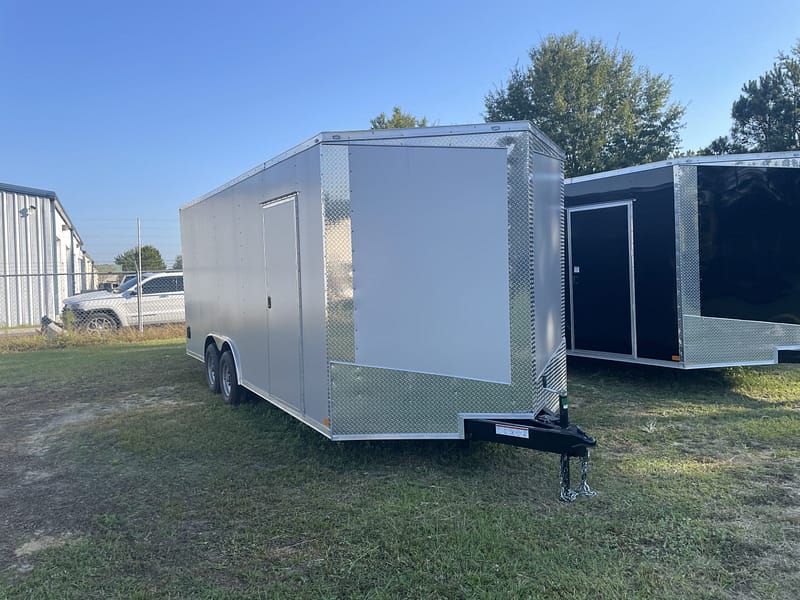
Why select an enclosed trailer in Raleigh, NC Choosing an enclosed trailer in Raleigh, North Carolina, can offer several significant advantages depending on your needs. If you\’re deciding whether an enclosed trailer is the right choice, here are some of the top reasons to opt for one in Raleigh: Protection from the Elements Weather Protection: North Carolina is known for its humid subtropical climate, meaning hot, humid summers and cooler winters. An enclosed trailer keeps your cargo safe from rain, snow, UV rays, and wind. Whether you\’re hauling tools, furniture, equipment, or anything else, your items are better protected inside a weatherproof, sealed environment. Security: An enclosed trailer provides a level of physical security for your cargo. Unlike open trailers, which leave your belongings exposed to theft, an enclosed trailer often has lockable doors and sides to keep your goods safe while you\’re parked or traveling. Versatility for Various Uses Commercial Use: If you\’re running a business—whether it’s landscaping, construction, or delivery—an enclosed trailer can be a great investment. It allows you to store tools, materials, and inventory securely while you\’re on the move. This is particularly useful in Raleigh, where both urban and rural areas might require different hauling needs. Moving and Storage: If you\’re in the process of relocating or need extra storage, an enclosed trailer can be used to transport household goods and furniture safely and securely. This is also a great option for temporary storage when moving between homes or apartments. Transporting Sensitive Equipment: For people who transport sensitive or expensive items like electronics, artwork, or machinery, an enclosed trailer offers a more controlled environment, protecting them from damage or exposure to the elements. Better Road Stability Aerodynamics and Towing: Enclosed trailers tend to offer better stability on the road. Their enclosed sides and lower profile (compared to open trailers) can reduce the amount of wind resistance and sway, providing a smoother and more secure towing experience, especially at higher speeds on highways. Safety: With better aerodynamics, enclosed trailers can also help reduce fuel consumption when towing, and they provide a safer environment for your cargo. Customization and Organization Shelving and Storage Options: Enclosed trailers can be customized with interior shelving, cabinets, or tie-down points, making them ideal for organization. You can create dedicated storage spaces for tools, gear, or equipment, which makes loading and unloading much more efficient. Increased Carrying Capacity: Because you’re not constrained by an open bed, you can load and stack items higher inside an enclosed trailer without worrying about the weather. You can also install hooks, rails, or other features to organize the interior space to better meet your needs. Increased Privacy and Confidentiality For businesses or individuals transporting sensitive materials or personal items, an enclosed trailer offers a level of privacy. The items inside are hidden from view, reducing the chance of theft or tampering. If you\’re transporting sensitive business equipment or personal belongings, the peace of mind that comes with knowing everything is concealed inside can be invaluable. Local Law Requirements Weight and Towing Regulations: In Raleigh and across North Carolina, trailers have specific weight requirements that can influence whether you need an enclosed trailer with brakes or not. Enclosed trailers can be made to meet these regulatory standards for towing, ensuring safety and compliance with North Carolina\’s laws. If you\’re carrying heavy or high-value cargo, you\’ll appreciate the added structural integrity that comes with an enclosed trailer. Enhanced Durability Long-Term Investment: Enclosed trailers are built to last. They typically feature more durable materials than open trailers, including reinforced frames, thicker walls, and weatherproofing. If you\’re using the trailer regularly or for commercial purposes, an enclosed trailer\’s longevity makes it a great long-term investment. Properly maintained, these trailers can last for years without significant wear and tear. Minimal Maintenance: Since your cargo is protected from the elements, you’ll have less maintenance on the items you carry. You won’t have to worry about rust on equipment, mold on furniture, or UV damage to anything you’re transporting. Ideal for Specific Needs in Raleigh Business in Urban Areas: Raleigh’s growing urban landscape means businesses and individuals are increasingly involved in moving goods and equipment within the city. An enclosed trailer is ideal for navigating city streets while keeping your items secure, clean, and safe from damage. Outdoor Adventures & Recreational Use: North Carolina offers a variety of outdoor activities—from hiking and boating to camping. If you\’re hauling sports gear, ATVs, dirt bikes, or even camping equipment, an enclosed trailer offers the protection and space needed for such items. Additionally, the state\’s weather can sometimes be unpredictable, so the protection of an enclosed trailer is even more valuable. Enhanced Comfort for Long Hauls A More Comfortable Ride for Cargo: If you’re transporting items long distances—whether you’re driving across North Carolina or further—the enclosed trailer provides a more comfortable environment for your cargo. It\’s protected from dirt, dust, road debris, and road salt (especially during the winter), making it more suitable for items that need to be kept in good condition. Better Resale Value Long-Term Value: Enclosed trailers tend to hold their value better than open trailers, especially when properly maintained. If you ever decide to sell the trailer, the added protection, security, and durability can make it a more attractive option for buyers. Conclusion: Why an Enclosed Trailer is a Good Choice in Raleigh In Raleigh, North Carolina, an enclosed trailer offers a combination of weather protection, security, and durability that makes it a strong choice for both personal and business needs. Whether you\’re running a local business, moving, or transporting valuable or sensitive equipment, an enclosed trailer ensures that your cargo remains safe, organized, and protected from the elements. Additionally, Raleigh’s growing population, urban development, and proximity to outdoor activities all point to the practicality and convenience of choosing an enclosed trailer to meet your hauling needs. From safety to long-term value, investing in an enclosed trailer is a decision that can provide peace of mind and excellent returns. When you
What is the cost of a trailer in Raleigh North Carolina
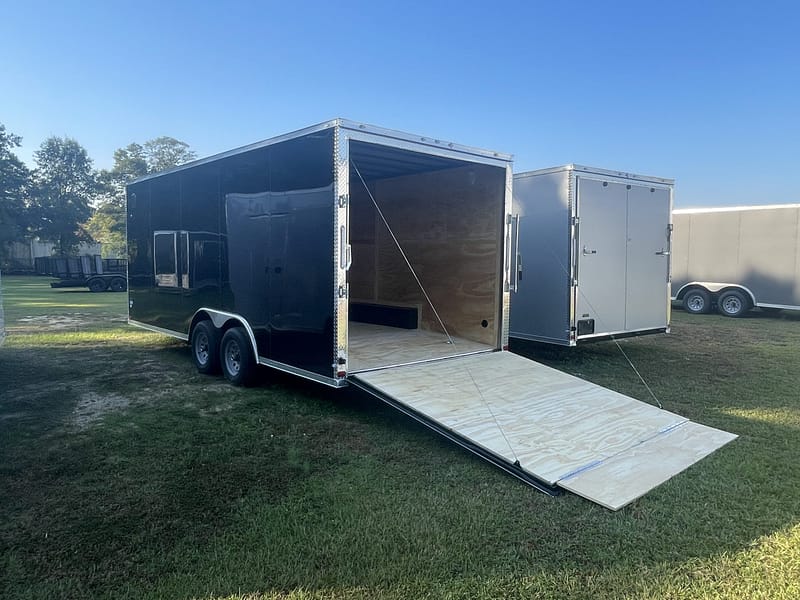
What is the cost of a trailer in Raleigh North Carolina The cost of a trailer in Raleigh, North Carolina, can vary widely depending on the type, size, and features of the trailer you’re looking to purchase. Here’s an overview of the typical price range for various types of trailers you might encounter in Raleigh: Utility Trailers (Open Trailers) Standard Utility Trailers (5\’ x 8\’ to 7\’ x 14\’): These are the most common trailers used for hauling small loads like furniture, lawn equipment, or general cargo. Price Range: $1,000 – $3,000 Heavy-Duty Utility Trailers (7\’ x 16\’ and larger): These are for larger loads and heavier duty work, like construction or landscaping. Price Range: $3,000 – $6,000 Enclosed Trailers Standard Enclosed Trailers (8\’ to 12\’ long): Often used for general hauling, moving, or transporting equipment and tools. Price Range: $3,000 – $6,500 Larger Enclosed Trailers (16\’ to 24\’ or more): These are great for moving homes, commercial goods, or transporting vehicles. Price Range: $6,500 – $12,000+ (depending on customization and features) Car Hauler Trailers Open Car Haulers (Single or Dual Axle): These trailers are used for hauling cars, trucks, or other vehicles. Price Range: $2,500 – $5,000 Enclosed Car Trailers: Offers more protection for vehicles being transported, often with added customization like winches, ramps, and reinforced floors. Price Range: $8,000 – $15,000+ Boat Trailers Single-Axle Boat Trailers (for smaller boats): Great for trailers for small to mid-sized boats. Price Range: $1,500 – $3,500 Tandem-Axle Boat Trailers (for larger boats): Needed for larger boats, offering better stability and weight distribution. Price Range: $3,500 – $7,000+ Horse and Livestock Trailers Small Two-Horse Trailers: Often used for transporting livestock or horses. Price Range: $5,000 – $10,000 Large Livestock Trailers (Multiple Horse or Livestock Haulers): Larger models used for multiple animals. Price Range: $10,000 – $20,000+ Travel Trailers and RV Trailers Small Travel Trailers (Under 20\’): These are great for camping and can be towed by SUVs or light trucks. Price Range: $12,000 – $25,000 Large Travel Trailers (Over 20\’): Larger, more luxurious options that may include full kitchens, bathrooms, and sleeping areas. Price Range: $25,000 – $50,000+ depending on features. Dump Trailers Small Dump Trailers (5\’ x 8\’ to 7\’ x 14\’): Used for hauling dirt, gravel, or construction materials. Price Range: $3,500 – $7,000 Large Dump Trailers (7\’ x 16\’ and up): For larger construction or commercial uses. Price Range: $7,000 – $15,000 Custom Trailers Custom-built trailers with specialized features (e.g., custom length, weight capacity, interior layout, ramps, etc.) can vary significantly in price. Price Range: $10,000 – $50,000+ depending on customization level. Factors Affecting Trailer Prices: Material Quality: Trailers made from aluminum or with special weatherproofing tend to cost more than standard steel trailers. Customization and Features: Additional features like ramps, enclosed walls, extra axles, and custom flooring can add to the cost. Brand: Well-known brands such as Cargo Mate, Homesteader, and Haulmark might have higher prices than lesser-known brands, but they often come with better warranties and customer support. Condition (New vs. Used): Used trailers can save you money but may come with wear and tear that could require repairs or replacements. Final Notes: The price of a trailer in Raleigh will depend heavily on its purpose, size, and features. Utility and enclosed trailers typically range from $1,000 to $12,000, while specialized trailers (such as car haulers, livestock trailers, or dump trailers) can range from $2,500 to $20,000 or more. Make sure to consider the long-term costs of maintenance, registration, and insurance in your total budget. Additionally, keep in mind that if you\’re looking for used trailers, prices can be lower, but you\’ll want to inspect the trailer for any damage or needed repairs before making a purchase. When you need the very best trailer and only want 5 star customer service come visit us at East Coast Trailer Sales. We are the triangle’s premier trail sales specialist. We can help you select the perfect trailer for your needs and get you on the road quickly. To learn more visit us online at https://www.eastcoastsales.com/ or check out our social media at https://www.facebook.com/eastcoastsalesraleigh . To browse our inventory, please visit https://www.eastcoastsales.com/inventory/ . To speak to an expert call us at (919) 661-1045 today. What is the cost of a trailer in Raleigh North Carolina
What is a utility trailer in Raleigh North Carolina
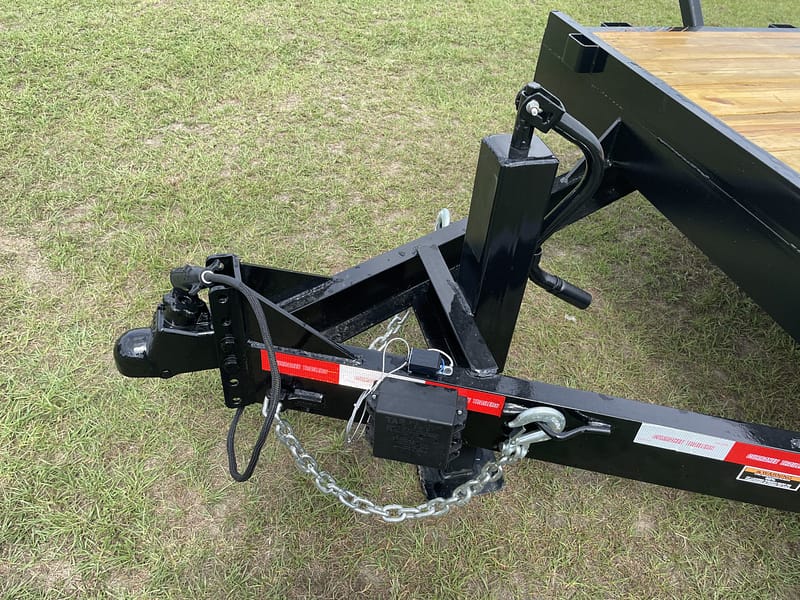
What is a utility trailer in Raleigh North Carolina A utility trailer in Raleigh, North Carolina is a versatile, open-frame trailer designed for carrying a wide range of cargo, including furniture, construction materials, landscaping equipment, recreational vehicles (such as ATVs or motorcycles), and much more. Utility trailers are commonly used for both personal and business purposes due to their affordability, flexibility, and ease of use. They are typically uncovered, meaning they don’t have walls or a roof (though some models may have removable sides), and they come in various sizes and weight capacities to accommodate different types of loads. Key Features of a Utility Trailer: Open-Air Design: Utility trailers are usually open in design, meaning they have no sides or roof. This makes them more versatile and able to handle a variety of cargo types. However, some models may have removable sides or mesh sides to contain cargo. Size Options: Utility trailers typically range from 4\’ x 6\’ (for lighter, smaller loads) to 8\’ x 16\’ (for heavier or bulkier cargo). Weight Capacity: Weight capacities for utility trailers vary widely, typically ranging from 1,000 lbs to 7,000 lbs (or more), depending on the size and number of axles. The axle configuration and material construction (steel vs. aluminum) also affect the overall weight capacity. Most utility trailers in Raleigh fall within the 3,000 lbs to 5,000 lbs range, making them suitable for most residential and small business uses. Towing Options: Utility trailers are typically towed by a pickup truck, SUV, or even certain vans or cars, depending on the trailer size and weight. You’ll need to ensure that your tow vehicle has sufficient towing capacity to handle the weight of both the trailer and its cargo. Single Axle vs. Tandem Axle: Smaller utility trailers may have a single axle, while larger or heavier-duty models may have two axles (tandem axle) for greater stability and weight distribution. Floor Material: The floor of a utility trailer is usually made of treated wood, steel, or aluminum, with wood being the most common material. Steel or aluminum floors are often found on more heavy-duty models and are better suited for carrying heavier loads or for industrial use. Tires and Suspension: Utility trailers often have standard tires, which can be either bias ply (more common for smaller trailers) or radial (for better performance at higher speeds). Suspension systems can range from leaf spring to torsion axle systems, with torsion axles offering a smoother ride and better weight distribution for larger or heavier loads. Common Uses for Utility Trailers in Raleigh, NC: Landscaping and Lawn Care: Utility trailers are commonly used by landscaping companies and homeowners for hauling tools, equipment (like mowers, leaf blowers, and hedge trimmers), and yard waste (such as grass clippings, branches, and debris). Size Options: A typical 5’ x 8’ or 6’ x 12’ utility trailer is perfect for hauling small to medium amounts of landscaping materials or equipment. Moving Household Goods: Utility trailers are popular for individuals or families who need to move furniture or household items without the expense of renting a full-sized moving truck. They can carry larger items like couches, mattresses, or boxes. Versatility: You can remove or lower the sides to load larger or bulky items. Construction and Job Site Hauling: Contractors or construction businesses use utility trailers to transport tools, materials, or small equipment to and from job sites. The open design allows for easy access to tools and materials, while the weight capacity ensures safe transport of construction items like lumber, cement bags, and tools. Recreational Hauling: ATV/UTV trailers, motorcycle trailers, and trailers for dirt bikes are all commonly used for recreational purposes in Raleigh, NC. Whether you\’re hauling your ATVs to a trail or moving a motorcycle for a race, utility trailers make it easy to load and secure your vehicles. Some models come with ramp gates for easy loading and unloading of recreational vehicles. Hauling Equipment or Small Vehicles: Utility trailers are also used to transport small vehicles, like go-karts, jet skis, or lawn tractors. With proper tie-down points, these trailers can safely carry a wide range of equipment. General Hauling and Dumping: Utility trailers are often used for transporting general cargo like trash, scrap metal, or seasonal items. Some trailers come with fold-down ramps or dump features (i.e., dump trailers) to make unloading easier. Benefits of a Utility Trailer: Affordability: Utility trailers are generally more affordable compared to specialized trailers like car haulers or enclosed trailers, making them a good option for people who need a simple, versatile solution for hauling. Ease of Use: Open design and simple loading/unloading make utility trailers easy to use for a wide variety of tasks. Loading and unloading bulky or heavy items is generally quick and straightforward. Customization: Many utility trailers in Raleigh, NC, come with optional upgrades or accessories, such as removable sides, toolboxes, additional tie-down points, or even LED lighting. You can customize your trailer to suit your specific hauling needs. Versatility: Utility trailers can be used for virtually any type of hauling task, from personal use (moving furniture, hauling trash, or lawn equipment) to business use (hauling construction materials or recreational vehicles). Their open design means they’re adaptable to almost any load. Compact and Easy to Store: Utility trailers are generally smaller and more compact than specialized trailers, making them easier to store in a garage or driveway when not in use. They don’t require the same amount of space as an enclosed trailer. Types of Utility Trailers Available in Raleigh, NC: Single Axle Utility Trailers: These are best for light-duty hauling and smaller loads (up to around 3,000 lbs). They are easy to maneuver and park, making them ideal for homeowners or small businesses. Common Sizes: 4\’ x 6\’, 5\’ x 8\’, and 6\’ x 10\’. Tandem Axle Utility Trailers: These are designed for heavier loads, offering better stability, durability, and load capacity (up to 7,000 lbs or more). They are suitable for larger, heavier hauling needs, such as transporting equipment or
Trailer Brands in Raleigh North Carolina
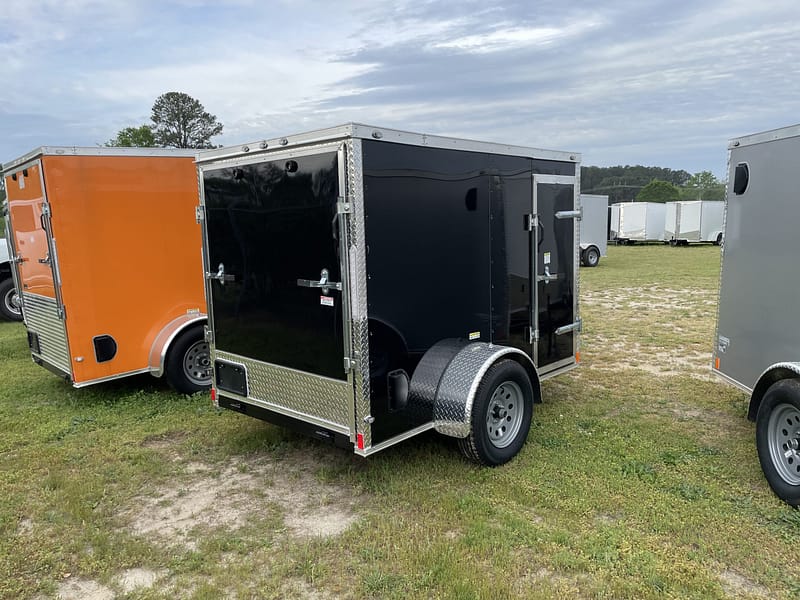
Trailer Brands in Raleigh North Carolina When shopping for a trailer in Raleigh, North Carolina, you have access to a variety of reliable trailer brands that offer a range of trailers for different purposes—whether for utility, hauling cars, transporting recreational vehicles, or even hauling equipment. Here’s a list of some popular and trusted trailer brands that are commonly available in Raleigh and the surrounding area: Big Tex Trailers Overview: Big Tex Trailers is one of the most well-known and respected brands in the trailer industry. They are known for their heavy-duty construction and high-quality materials, making them a popular choice for commercial and residential use. Types of Trailers: Utility Trailers Car Haulers Dump Trailers Gooseneck Trailers Equipment Trailers Tilt Trailers Why Choose Big Tex? Big Tex is known for its durability, safety features, and wide selection of trailers. They offer both single axle and dual axle models, along with customizable options. They are especially favored for construction and landscaping. Load Trail Trailers Overview: Load Trail is another popular brand that offers high-quality, heavy-duty trailers designed for tough hauling jobs. They specialize in providing trailers with solid construction and a variety of styles to suit different needs. Types of Trailers: Utility Trailers Dump Trailers Car Haulers Flatbed Trailers Tilt Trailers Why Choose Load Trail? Known for excellent craftsmanship and high weight capacity, Load Trail trailers are a great choice for hauling heavy loads. They provide great value for the money, offering robust features at competitive prices. H&H Trailers Overview: H&H Trailers offers a wide variety of trailer types, including both aluminum and steel trailers. The brand is known for its reliability, great resale value, and the availability of custom options. Types of Trailers: Utility Trailers Car Haulers Enclosed Trailers Dump Trailers Landscape Trailers Equipment Trailers Why Choose H&H? H&H is known for innovative designs and high-performance features. Their aluminum trailers are particularly popular for those who need a lighter, corrosion-resistant option for carrying cargo or vehicles. PJ Trailers Overview: PJ Trailers is a highly regarded brand for heavy-duty trailers and is one of the leading manufacturers of flatbed trailers, dump trailers, and tilt trailers. They are especially popular among contractors, farmers, and business owners. Types of Trailers: Dump Trailers Flatbed Trailers Car Haulers Utility Trailers Equipment Trailers Why Choose PJ Trailers? Known for their rugged durability, customizable options, and heavy-duty build, PJ Trailers is a great option for users who need to haul large or heavy equipment on a regular basis. Iron Bull Trailers Overview: Iron Bull offers a full line of utility, dump, and car hauler trailers. They are known for being budget-friendly while still maintaining a strong build quality. Types of Trailers: Dump Trailers Utility Trailers Equipment Trailers Car Haulers Why Choose Iron Bull? Iron Bull is a great brand for those seeking value for money. Their trailers are strong, well-constructed, and offer a wide range of features that make them ideal for worksite use, such as towing heavy materials or moving vehicles. Diamond C Trailers Overview: Diamond C is known for producing high-end trailers with a focus on customization. They offer a wide range of trailers for both personal and commercial use. Types of Trailers: Utility Trailers Flatbed Trailers Car Haulers Dump Trailers Gooseneck Trailers Why Choose Diamond C? Diamond C is renowned for its innovative design and premium quality. They are ideal for those who want high-performance trailers with the best features for professional use or for hauling heavy loads. Aluma Trailers Overview: Aluma specializes in lightweight, aluminum trailers, making them a great option for those who need a corrosion-resistant, easy-to-tow trailer. They are particularly popular among recreational users. Types of Trailers: Utility Trailers Car Haulers ATV Trailers Motorcycle Trailers Why Choose Aluma? Aluminum construction makes these trailers light, rust-resistant, and easy to maintain. Aluma is a great choice for towing smaller loads or recreational vehicles like motorcycles, ATVs, or snowmobiles. Stealth Trailers Overview: Stealth Trailers is best known for their enclosed trailers that are perfect for a variety of uses, including cargo transport and vehicle hauling. They are particularly popular in the motorcycling and racing communities. Types of Trailers: Enclosed Trailers Car Haulers Motorcycle Trailers Why Choose Stealth Trailers? Stealth is ideal for those looking for secure transport of vehicles or cargo. Their trailers are built to last and offer a high level of protection for what you’re hauling. Mission Trailers Overview: Mission Trailers is known for its aluminum trailers, offering lightweight options for personal and commercial use. They are especially popular for their snowmobile and motorcycle trailers. Types of Trailers: Utility Trailers Car Haulers Enclosed Trailers Motorcycle Trailers Why Choose Mission Trailers? Mission Trailers offers customizable features and aluminum construction, making them great for lighter loads and ensuring long-term durability without the worry of rust or corrosion. Sure-Trac Trailers Overview: Sure-Trac is a reputable brand offering a variety of utility and cargo trailers for personal and commercial use. They are known for producing durable, high-quality trailers that are great for hauling heavy-duty equipment and materials. Types of Trailers: Utility Trailers Dump Trailers Car Haulers Enclosed Trailers Why Choose Sure-Trac? Sure-Trac offers a wide range of durable options that are well-suited for both businesses and individuals who need to haul everything from equipment to vehicles. Conclusion: Choosing the right trailer brand in Raleigh, NC, depends on your needs—whether it’s for personal, commercial, or recreational use. Some brands excel in heavy-duty, long-lasting trailers (like Big Tex and PJ Trailers), while others specialize in lightweight aluminum trailers (like Aluma and Mission Trailers). Consider the types of trailers available, your budget, and the specific features you require when selecting the best brand and model for your needs. When you need the very best trailer and only want 5 star customer service come visit us at East Coast Trailer Sales. We are the triangle’s premier trail sales specialist. We can help you select the perfect trailer for your needs and get you on the road quickly. To learn more visit us online at https://www.eastcoastsales.com/ or check out our
Tips for buying a trailer in Raleigh North Carolina
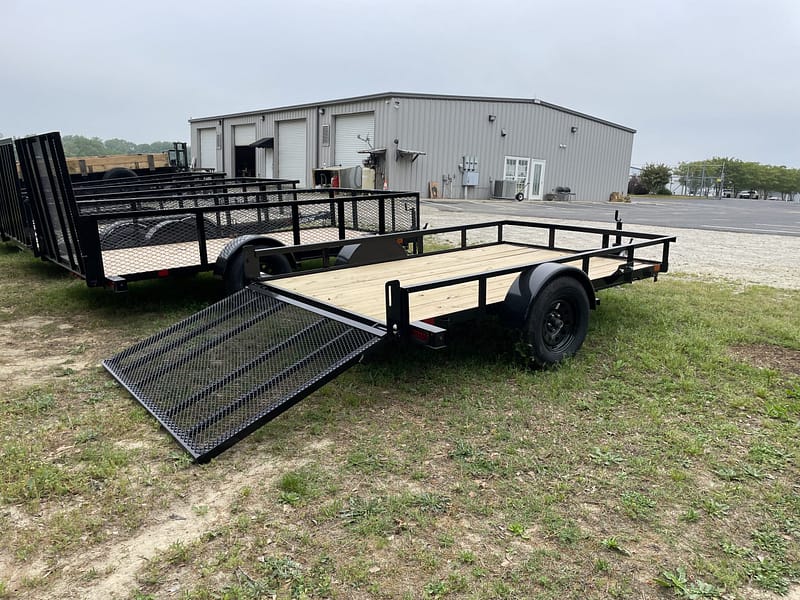
Tips for buying a trailer in Raleigh North Carolina Buying a trailer in Raleigh, North Carolina, or anywhere, requires careful consideration to ensure you get the right trailer for your needs at a fair price. Here are some tips to help you navigate the process: Determine the Type of Trailer You Need Utility Trailers: Great for hauling equipment, small vehicles, or materials like mulch, soil, or furniture. Car Haulers: If you need to transport a car or other large vehicles, look for a car hauler or auto transport trailer. Enclosed Trailers: Ideal if you need protection for goods or vehicles from the elements. Cargo Trailers: For hauling goods, these come in both open and enclosed varieties. Dump Trailers: If you need to haul and unload heavy materials like gravel, dirt, or construction debris, dump trailers are a good option. Recreational Trailers: If you’re hauling an RV, boat, or trailer for ATVs, motorcycles, etc., consider a specialized trailer for that purpose. Consider Your Towing Vehicle’s Capacity Make sure your tow vehicle can handle the trailer’s weight. You’ll need to check the towing capacity of your vehicle, which can be found in the owner\’s manual or online. Pay attention to both the gross vehicle weight rating (GVWR) of the trailer and its payload capacity. Don’t forget to factor in the weight of the trailer itself, which will be added to the total weight you\’re towing. Research Trailer Brands and Dealers Some well-known trailer manufacturers include Big Tex Trailers, Car Mate Trailers, Load Trail, and Look Trailers. Research online and read reviews about local dealers to ensure you\’re working with a reputable seller. New vs. Used Trailers New Trailers: Higher initial cost, but they come with warranties and the peace of mind that you’re buying a trailer in top condition. Used Trailers: Lower cost, but make sure to thoroughly inspect the trailer for wear and tear, rust, tire condition, and any potential repairs needed. Ask for a maintenance history if available. Many dealers sell used trailers with limited warranties or offer services like a safety inspection before the purchase. Check whether the seller has a good reputation for servicing used units. Trailer Size and Configuration Consider length and width based on what you plan to haul. A trailer that is too small will limit what you can carry, while one that\’s too large could be harder to maneuver and unnecessarily heavy. If you\’re hauling a car or large equipment, make sure the loading ramp or gate is designed for easy access. Think about whether you need a single axle or dual axle trailer. Dual axles offer better stability and higher load capacities, while single axles are lighter and more maneuverable. Check the Trailer’s Features Brakes: If the trailer’s weight is over a certain limit (usually 3,000 lbs), you may need brakes on the trailer. Some trailers come with electric brakes that are controlled by the tow vehicle. Lights and Wiring: Make sure the trailer has working tail lights, turn signals, and brake lights. The electrical wiring system should match the towing vehicle’s setup (7-pin or 4-pin connectors). Suspension and Tires: Look for heavy-duty tires that can handle your load and provide a smooth ride. Suspension plays an important role in ride quality and safety. Jack: A good manual or electric jack can make a big difference when hitching or unhitching the trailer. Consider Trailer Storage Options If you don\’t have a lot of space at home, consider where you\’ll store the trailer. Some people prefer to park their trailers at storage facilities with security, especially if they only use the trailer occasionally. Check Local Regulations Registration & Licensing: In North Carolina, trailers that are over 2,000 lbs must be registered with the North Carolina Division of Motor Vehicles (NCDMV). The dealer may handle this for you, or you can register it yourself at a DMV office. Title: Make sure the trailer comes with a clean title (for used trailers) or paperwork indicating ownership for new trailers. This is important for registration. Weight Limits & Towing Laws: Be aware of any towing laws in North Carolina, including limits on the gross vehicle weight (GVW) or the type of towing hitch required. Negotiate the Price Don’t be afraid to negotiate with the seller, especially for used trailers. Prices can often be flexible, and you may be able to get a better deal by pointing out any imperfections or if you’ve done research on similar models. Financing and Warranties Financing: Some dealerships offer financing, but be sure to shop around for the best interest rates. Alternatively, you could get a loan through your bank or credit union. Warranty: Check if the trailer comes with a warranty. New trailers generally come with a manufacturer’s warranty, while used trailers might only have a limited or no warranty. Ask for the warranty details in writing. Test the Trailer Before Buying If possible, take the trailer for a test drive (with your tow vehicle). Check for things like smooth towing, proper brake function, and whether it’s easy to load and unload. Make sure that all parts, including lights, brakes, and tires, are in good working condition. Prepare for Maintenance Regular maintenance is important for keeping your trailer in good working order. This includes checking tire pressure, greasing bearings, inspecting lights, and maintaining the brakes. By following these tips, you can make an informed decision when buying a trailer in Raleigh, North Carolina, ensuring that it fits your needs and is safe to tow. When you need the very best trailer and only want 5 star customer service come visit us at East Coast Trailer Sales. We are the triangle’s premier trail sales specialist. We can help you select the perfect trailer for your needs and get you on the road quickly. To learn more visit us online at https://www.eastcoastsales.com/ or check out our social media at https://www.facebook.com/eastcoastsalesraleigh . To browse our inventory, please visit https://www.eastcoastsales.com/inventory/ . To speak to an expert call us at (919) 661-1045 today. Tips for
Single vs dual axle trailer in Raleigh North Carolina
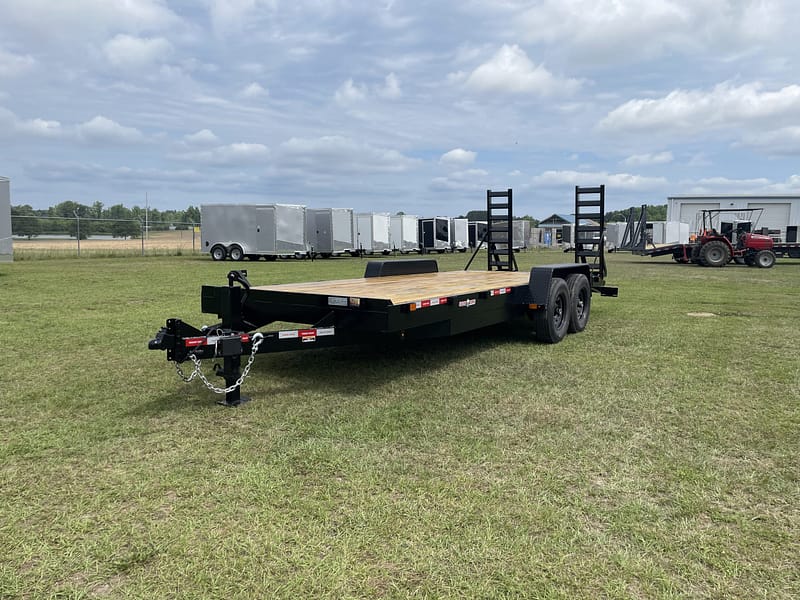
Single vs dual axle trailer in Raleigh North Carolina When choosing between a single axle trailer and a dual axle trailer in Raleigh, North Carolina, the decision largely depends on your specific hauling needs, the type of load you\’re carrying, and how you plan to use the trailer. Both types have their advantages and limitations, so understanding their key differences will help you select the right trailer for your needs. Here’s a breakdown of the single axle vs. dual axle trailers, including the pros and cons of each: Single Axle Trailers A single axle trailer features one axle and two tires, making it the simpler and more compact option. These trailers are typically lighter and easier to maneuver compared to dual axle trailers. Key Features of Single Axle Trailers: Axle Configuration: One axle with two wheels. Weight Capacity: Typically up to 3,500 lbs, though smaller versions may have lower weight limits. Size: Common sizes include 4\’ x 6\’, 5\’ x 8\’, and 6\’ x 10\’. Simplicity: Fewer moving parts mean less complexity and potentially lower maintenance. Pros of Single Axle Trailers: Cost-Effective: Single axle trailers tend to be cheaper than dual axle models, making them a great option if you\’re on a budget or only need to haul lighter loads. Maneuverability: Easier to maneuver in tight spaces. With just one axle, these trailers are more agile when backing up or parking, making them ideal for residential areas or situations where space is limited. Lower Maintenance Costs: Fewer components means less to maintain. You have one set of tires, one axle, and one brake system to keep an eye on, which can reduce repair and maintenance costs over time. Weight and Tow Vehicle Compatibility: Since single axle trailers are typically lighter, they place less strain on your tow vehicle. They are a good match for smaller cars, SUVs, or trucks with lower towing capacities. Storage: These trailers are generally smaller and more compact, so they take up less space when stored in your driveway or garage. Cons of Single Axle Trailers: Lower Weight Capacity: The primary limitation of single axle trailers is their lower weight capacity. If you need to haul heavier loads, a single axle trailer may not be sufficient, as it can typically handle only up to 3,500 lbs. Less Stability: Single axle trailers are more prone to swaying, especially at higher speeds or when loaded improperly. This can make towing less stable, particularly when carrying loads near the weight capacity limit. Less Durability for Heavy Use: If you’re regularly hauling heavy equipment, construction materials, or multiple vehicles, the single axle trailer might wear out more quickly and may not be as durable as dual axle models. Dual Axle Trailers A dual axle trailer features two axles and four wheels. This configuration is typically used for carrying heavier loads, providing greater stability and durability for a wide range of hauling tasks. Key Features of Dual Axle Trailers: Axle Configuration: Two axles with four wheels. Weight Capacity: Typically 3,500 lbs to 14,000 lbs or more, depending on the size and design. Size: Common sizes include 6\’ x 12\’, 7\’ x 14\’, and 8\’ x 20\’. Durability: Built to handle more wear and tear, especially for frequent, heavy-duty use. Pros of Dual Axle Trailers: Higher Weight Capacity: Dual axle trailers are built for heavier loads, often with a tandem axle design that allows the trailer to carry up to 10,000 lbs or more, depending on the specific trailer. Stability and Control: With two axles, these trailers provide significantly better stability while towing, especially with heavy or bulky loads. They are less prone to swaying, providing a smoother and more controlled towing experience. Better weight distribution means that the load is spread over both axles, reducing the likelihood of overloading one axle. Improved Braking: Many dual axle trailers come with brakes on both axles, which provide better stopping power, especially when hauling larger or heavier loads. This makes dual axle trailers much safer when it comes to braking, particularly on highways or when driving in traffic. Durability: These trailers are generally more durable and capable of handling the demands of daily use, such as hauling construction equipment, vehicles, or large quantities of materials. With the added axles, there is less strain on each individual axle, which helps increase the overall lifespan of the trailer. Towing Comfort: The added axles help provide better tracking behind the tow vehicle, reducing the effect of road conditions or crosswinds. This makes towing more comfortable, particularly on long trips or at higher speeds. Cons of Dual Axle Trailers: Higher Cost: Dual axle trailers are generally more expensive than single axle trailers, both in terms of initial purchase price and maintenance costs. More tires, axles, and other components mean higher upfront costs and ongoing maintenance. Less Maneuverability: While dual axle trailers are more stable, they are also less maneuverable than single axle trailers. They can be more difficult to navigate in tight spaces or when backing up, especially if you don’t have experience towing larger trailers. Heavier: Dual axle trailers are heavier than single axle trailers, which means they can put more strain on your tow vehicle. You’ll need a larger towing vehicle (e.g., a truck or SUV with higher towing capacity) to safely tow the trailer. Storage and Parking: Due to their larger size, dual axle trailers typically require more storage space. If you don’t have a large driveway or garage, parking and storing the trailer may be more challenging. Single Axle vs. Dual Axle Trailer: Which One is Right for You in Raleigh, NC? Choose a Single Axle Trailer if: You are hauling light loads (under 3,500 lbs). You don’t need the extra stability that comes with a dual axle. You need a more affordable option that is easy to maneuver and park. You don’t have a large tow vehicle or don’t need to haul heavy equipment regularly. You are looking for something compact and simple for occasional use, like moving furniture or hauling small
How to size the trailer you need in Raleigh North Carolina
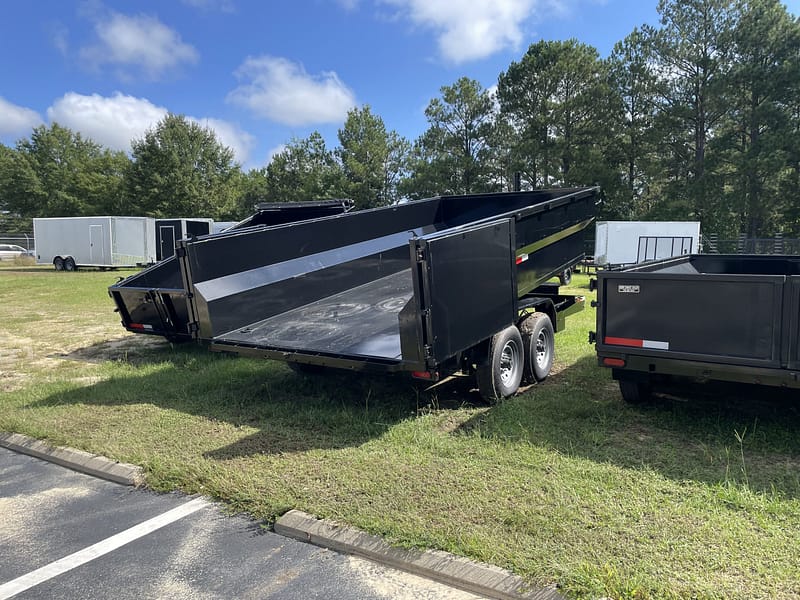
How to size the trailer you need in Raleigh North Carolina When choosing the right size trailer for your needs in Raleigh, North Carolina, several factors come into play. The right size trailer ensures that you can safely haul your cargo without overloading, causing damage, or making the driving experience unstable. Here’s how to go about sizing the trailer you need: Understand What You’re Hauling The most important step is to know what you plan to haul, as this directly impacts the trailer size. Here are some questions to consider: What is the weight of the load? This helps determine the weight capacity and the size of the trailer. What are the dimensions of the items? Measure the length, width, and height of the items you’ll be hauling. How many items do you need to transport? If you’re hauling a large volume of items, you’ll need more space inside the trailer. Consider the Load Type Different types of cargo have different space and handling requirements: General Cargo (Furniture, Boxes, etc.): If you’re moving household items or general cargo, you’ll need a utility trailer or enclosed trailer. For a one-bedroom apartment, a 5\’ x 8\’ to 6\’ x 12\’ enclosed trailer might be sufficient. Vehicles (Cars, Trucks, Motorcycles, etc.): For vehicle transportation, you\’ll need a car hauler or vehicle trailer. These usually range from 7\’ x 14\’ to 8\’ x 20\’. Heavy Equipment or Landscaping Materials: If you’re hauling heavy equipment (e.g., tractors, mowers) or landscaping materials, a flatbed utility trailer or equipment trailer is ideal. These typically range from 7\’ x 14\’ to 8\’ x 18\’ or larger. Recreational Trailers (ATVs, Boats, Motorcycles): For transporting recreational equipment, choose a trailer that can accommodate the width and length of your vehicle or toys. For example, an enclosed motorcycle trailer or a boat trailer will need to be sized based on the length of the boat or the number of motorcycles. Measure the Cargo Dimensions Length: Determine how long your cargo is and whether it needs to be loaded end-to-end or stacked. For example, a typical moving truck might require a 12\’ to 16\’ trailer depending on the number of rooms you’re moving. Width: Ensure the trailer is wide enough for your cargo to fit comfortably. For example, standard utility trailers range from 5\’ to 7\’ wide. If you\’re hauling a large vehicle, look for a wide car hauler with at least 8\’ of width. Height: Some items, like furniture or tall equipment, may require more height. Make sure the trailer has the necessary vertical space to accommodate your load. Enclosed trailers offer more height flexibility, typically ranging from 6\’ to 7\’ interior height. Account for Weight Capacity (GVWR) Gross Vehicle Weight Rating (GVWR) is the total weight the trailer can safely carry, including the weight of the trailer itself and the cargo. Make sure the total weight of your cargo doesn’t exceed the GVWR of the trailer. Towing Vehicle Compatibility: Your vehicle must also be capable of towing the trailer and the load. Check your vehicle’s towing capacity (found in the owner’s manual) to ensure it can safely tow the trailer and the cargo combined. You’ll also want to check if the trailer needs brakes (required for trailers over 3,000 pounds in North Carolina). Consider Load Type and Axles Single vs. Tandem Axles: If you’re hauling heavier loads, you’ll need a tandem-axle trailer for better stability and weight distribution. A single-axle trailer works for lighter loads but may not be stable enough for heavier cargo. Single-axle trailers are typically sufficient for light-duty use like moving household goods or hauling smaller vehicles. Tandem-axle trailers are better suited for carrying heavy equipment, multiple vehicles, or large construction materials. Weight Distribution and Balance: For large loads, think about how the weight will be distributed on the trailer. A trailer with proper weight distribution (i.e., the load is balanced) will tow more smoothly and be safer. Trailer Types and Their Sizes Depending on what you\’re hauling, these are the general types of trailers and their sizes: Utility Trailers Size: 5\’ x 8\’ to 7\’ x 14\’ Best for: General cargo, household goods, lawn equipment, or small vehicles. Weight Capacity: 1,500 lbs to 7,000 lbs (depending on the axle configuration). Enclosed Trailers Size: 6\’ x 12\’ to 8\’ x 24\’ Best for: Moving items, transporting valuables, or long-term storage. Weight Capacity: 3,000 lbs to 10,000 lbs. Considerations: These provide extra protection from the elements and theft. Car Hauler Trailers Size: 7\’ x 14\’ to 8\’ x 24\’ (or larger for multiple cars) Best for: Hauling cars, trucks, and other vehicles. Weight Capacity: 3,000 lbs to 12,000 lbs. Considerations: Open or enclosed options depending on your preference. Equipment Trailers Size: 7\’ x 14\’ to 8\’ x 20\’ Best for: Heavy-duty equipment, construction materials, or machinery. Weight Capacity: 5,000 lbs to 20,000 lbs. Considerations: These trailers often have a flatbed design for easy loading/unloading. Dump Trailers Size: 6\’ x 10\’ to 8\’ x 16\’ Best for: Hauling dirt, gravel, or debris. Weight Capacity: 3,000 lbs to 10,000 lbs. Considerations: These trailers have hydraulic lifts for easy dumping. Recreational Trailers (Boat, ATV, etc.) Size: Boat trailers typically range from 6\’ to 8\’ wide, with lengths ranging from 12\’ to 30\’. Best for: Transporting boats, motorcycles, ATVs, or RVs. Weight Capacity: Varies widely based on the size of the boat or recreational vehicle. Check Local Regulations (Raleigh, NC) Trailer Length Limits: North Carolina has specific laws for maximum trailer lengths, so check local regulations for size limits on the highways. For example, an enclosed trailer may be limited to 45 feet in total length, but most standard trailers are within the 14’ to 24’ range. Brake Requirements: Trailers over a certain weight (usually 3,000 lbs) are required to have their own braking system. Be sure your trailer matches these requirements. Consider Future Needs Even if your immediate hauling needs are small, you might want to consider future uses. For example, if you’re currently only moving a few small items
How to choose the right trailer in Raleigh North Carolina
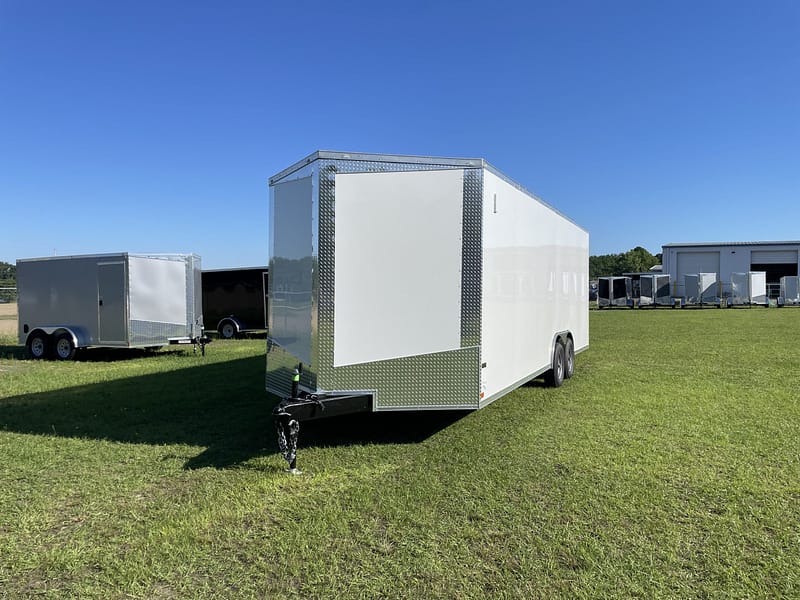
How to choose the right trailer in Raleigh North Carolina Choosing the right trailer in Raleigh, North Carolina, involves several factors to ensure you get the best fit for your needs, whether you\’re hauling cargo, moving, or even looking for a recreational trailer. Here\’s a step-by-step guide to help you make an informed decision: Determine Your Purpose Cargo Trailers: If you\’re transporting equipment, furniture, or other items, you\’ll likely want a utility or enclosed trailer. Consider how much weight and volume you\’ll be hauling. Car Haulers or Equipment Trailers: If you need to transport vehicles or heavy machinery, you\’ll need a car hauler or a flatbed equipment trailer. Recreational Trailers: If you need something for camping or boating, you might be looking for a travel trailer, camper, or boat trailer. Horse or Livestock Trailers: If you need to transport animals, opt for a horse trailer or livestock trailer. Know the Size and Capacity You Need Length and Width: Consider what you plan to haul. Trailers come in various sizes, and the right size depends on the dimensions of what you\’re hauling (e.g., vehicles, furniture, landscaping equipment). Weight Capacity: Trailers are rated by their Gross Vehicle Weight Rating (GVWR), which is the total weight they can carry. Make sure the trailer can handle the combined weight of the trailer itself and the load. Axle Configuration: More axles generally provide higher weight capacities and improved stability, but they also add to the cost. Consider the Type of Trailer Material Steel Trailers: These are durable and cost-effective but can be heavy and prone to rust. Aluminum Trailers: Lighter than steel and more resistant to rust, aluminum trailers are a great option if you want a long-lasting, low-maintenance trailer. Wood Deck Trailers: Often seen in utility trailers, wood decking is durable but requires maintenance to avoid weather damage. Metal Deck Trailers: More durable and easier to clean than wood but can be heavier. Decide on the Trailer Features Enclosed vs. Open: An enclosed trailer offers better protection from the elements, theft, and damage for your cargo. Open trailers are more economical and easier to load/unload. Ramp vs. Load-Over: Depending on what you\’re hauling, a ramp door makes loading and unloading easier, especially for vehicles or equipment. Tie-Downs and Hooks: Trailers with integrated tie-downs or hooks are ideal for securing loads. Brakes: If your trailer weighs over a certain limit (typically 3,000 lbs), you’ll need to consider whether it has electric brakes to improve safety when towing. Check the Towing Capacity of Your Vehicle Your tow vehicle (truck, SUV, etc.) must be capable of safely towing the trailer. Check your vehicle’s towing capacity in the owner’s manual or look up the specifications online. Don’t forget to account for the weight of both the trailer and the load. Budget and Cost Trailer Price: Prices can range significantly depending on the size, type, and material. Basic utility trailers may start around $1,000, while enclosed or specialized trailers can cost several thousand dollars. Maintenance and Insurance Costs: Some trailers require more maintenance (e.g., wheel bearings, tires, brakes). Check the cost of maintaining the trailer you’re considering. Financing: If the cost is a concern, check with local dealers in Raleigh for financing options. Local Regulations and Registration Registration and License Plates: Trailers in North Carolina must be registered with the North Carolina Division of Motor Vehicles (DMV). You’ll need to pay registration fees and possibly sales tax, depending on the trailer’s cost. Towing Laws: Be sure to check the towing laws in Raleigh and throughout North Carolina, such as whether certain weight limits require additional braking systems or special permits. Find a Reputable Trailer Dealer in Raleigh Visit Local Dealerships: Raleigh has several trailer dealers where you can physically inspect trailers before purchasing. Look for dealers with good reviews and knowledgeable staff who can guide you in choosing the right trailer for your needs. Online Options: If you\’re considering buying online, check local classified listings like Craigslist or Facebook Marketplace for used trailers. Ensure the trailer’s condition is verified before purchase. Reviews and Reputation: Check online reviews, such as Google or Yelp, for feedback from other customers about their experiences with specific dealerships. Warranty and Customer Support Consider the warranty offered by the manufacturer or dealer. Some trailers come with a limited warranty, while others offer more comprehensive coverage. Make sure the dealer offers after-sales support, including service, repairs, and replacement parts. Test Drive If possible, take the trailer for a test tow with your vehicle to see how it handles on the road. This is especially important for larger trailers to make sure everything operates safely. Choosing the right trailer in Raleigh, NC, comes down to understanding your specific needs—what you’re hauling, how much you’re towing, and what features you need. Make sure to balance the cost with quality, check your tow vehicle\’s compatibility, and confirm all local regulations. Whether you’re looking for a utility trailer for landscaping or an enclosed trailer for moving, the right fit will ensure safety and durability for years to come. When you need the very best trailer and only want 5 star customer service come visit us at East Coast Trailer Sales. We are the triangle’s premier trail sales specialist. We can help you select the perfect trailer for your needs and get you on the road quickly. To learn more visit us online at https://www.eastcoastsales.com/ or check out our social media at https://www.facebook.com/eastcoastsalesraleigh . To browse our inventory, please visit https://www.eastcoastsales.com/inventory/ . To speak to an expert call us at (919) 661-1045 today. How to choose the right trailer in Raleigh North Carolina
Different types of trailers in Raleigh North Carolina
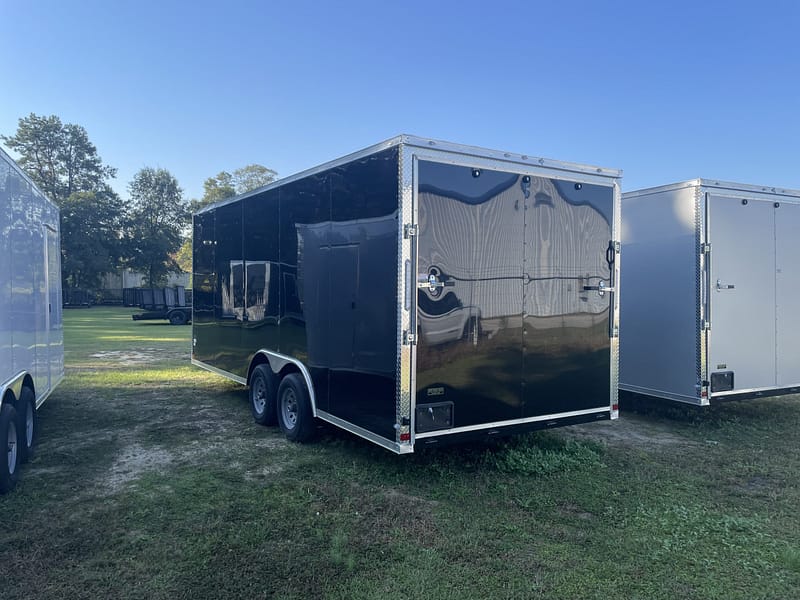
Different types of trailers in Raleigh North Carolina In Raleigh, North Carolina, there are several different types of trailers available for purchase, each designed for specific purposes and hauling needs. Whether you\’re transporting goods, vehicles, equipment, or recreational items, selecting the right trailer is crucial for both safety and efficiency. Below is a breakdown of the different types of trailers commonly found in Raleigh, NC, along with their typical uses. Utility Trailers Best for: General-purpose hauling, landscaping, small equipment, or personal use. Description: Utility trailers are the most common type for homeowners and small businesses. They are typically open (without sides or with removable sides) and come in various sizes and weight capacities. Utility trailers are used for transporting items such as furniture, debris, landscaping equipment, and even small vehicles. Key Features: Size: Common sizes range from 4\’ x 6\’ to 7\’ x 16\’. Weight Capacity: Typically 1,500 lbs to 7,000 lbs, depending on the size and axle configuration. Options: Some have fold-down sides, ramps for loading, and single or tandem axles. Ideal For: Moving household goods. Lawn care equipment. Small vehicles or ATVs. Construction debris or other loose materials. Enclosed Trailers Best for: Hauling valuable items, weather-sensitive cargo, or for secure storage. Description: Enclosed trailers offer full protection for cargo with sides, a roof, and a door, often with locking mechanisms for security. These are ideal for transporting motorcycles, classic cars, tools, or anything that needs protection from the elements or theft. They are also useful for businesses needing mobile storage or transporting items in a more organized manner. Key Features: Size: Common sizes range from 6\’ x 12\’ to 8\’ x 24\’ or larger. Weight Capacity: Can vary from 3,000 lbs to 10,000 lbs or more. Security Features: Locking doors, interior shelving or tie-downs. Climate Protection: Ideal for protecting cargo from rain, snow, dust, and theft. Ideal For: Hauling motorcycles, classic cars, or recreational vehicles. Mobile businesses like food trucks or vendors. Transporting fragile or expensive equipment. Moving household goods that require weather protection. Car Hauler Trailers Best for: Transporting cars, trucks, and other vehicles. Description: Car hauler trailers are specifically designed to transport vehicles safely. They typically come with flatbeds, low decks, or tilt designs for easy loading. They can either be open (exposed to the elements) or enclosed (providing protection for the car being hauled). Open car haulers are more common, but enclosed versions are used for high-value or classic vehicles. Key Features: Size: Typically 7\’ x 14\’ to 8\’ x 24\’. Weight Capacity: Ranges from 3,000 lbs to 14,000 lbs, depending on the size. Tie-Down Points: Designed with secure tie-down points to anchor vehicles during transport. Ramp Options: Many car haulers include a loading ramp for easy access. Ideal For: Car dealerships or auto transporters. Individuals who need to transport multiple vehicles. People who need to haul a non-running vehicle. Dump Trailers Best for: Hauling and unloading loose materials, such as dirt, gravel, or debris. Description: Dump trailers have a hydraulic lift system that allows the bed of the trailer to tilt, making unloading materials like dirt, rocks, sand, or construction debris much easier. These trailers are highly efficient for landscaping projects, construction sites, or any job that involves hauling and dumping loose materials. Key Features: Size: Common sizes are 6\’ x 10\’ to 8\’ x 16\’. Weight Capacity: 3,000 lbs to 10,000 lbs. Hydraulic Lift: Makes unloading heavy or bulky materials easy. Durability: Typically built with reinforced steel frames to withstand heavy-duty use. Ideal For: Landscaping projects. Construction site waste removal. Moving bulk materials like gravel, sand, or mulch. Flatbed Trailers Best for: Hauling large, heavy, or oversized loads. Description: Flatbed trailers are open trailers without sides or a roof, making them versatile for transporting large or odd-shaped loads that may not fit in an enclosed trailer. These trailers are commonly used in construction, agriculture, and for moving heavy machinery, equipment, or building materials. Key Features: Size: Common sizes range from 7\’ x 14\’ to 8\’ x 20\’ or longer. Weight Capacity: Can range from 5,000 lbs to over 20,000 lbs, depending on the trailer. Tie-Down Points: Includes D-rings or E-track systems to secure cargo. Ideal For: Heavy machinery or equipment transport. Construction materials like lumber, steel, or bricks. Oversized or irregularly shaped loads that need to be strapped down securely. ATV/UTV Trailers Best for: Hauling ATVs, UTVs, dirt bikes, or other recreational vehicles. Description: These trailers are specifically designed to haul smaller, recreational vehicles like ATVs, dirt bikes, or side-by-side UTVs (Utility Task Vehicles). They often feature ramp systems for easy loading and unloading, as well as low-clearance designs to make it easier to load vehicles with low ground clearance. Key Features: Size: Typically range from 5\’ x 8\’ to 7\’ x 14\’. Weight Capacity: Typically around 2,000 lbs to 3,500 lbs. Ramp Options: Foldable ramps or tilting decks for easy loading. Tie-Down Points: To secure the recreational vehicle during transport. Ideal For: Hauling ATVs, UTVs, motorcycles, or dirt bikes. Recreational vehicle enthusiasts. Farmers or ranchers moving equipment or small vehicles. Boat Trailers Best for: Transporting boats, jet skis, or other watercraft. Description: Boat trailers are designed to carry boats or jet skis safely. They come in a range of sizes, depending on the type and size of the boat. Boat trailers typically feature rollers or bunks that provide a stable platform to load, unload, and support the boat. Key Features: Size: Varies by boat size, but typically around 8\’ x 16\’ to 8\’ x 24\’. Weight Capacity: Typically ranges from 2,000 lbs to 10,000 lbs or more. Roller or Bunk Systems: For easy loading and unloading of boats. Weather Resistance: Some trailers feature galvanized steel to resist rust from exposure to water. Ideal For: Hauling small to large boats, jet skis, and other watercraft. Boating enthusiasts who need to transport their vessels between lakes, rivers, and marinas. Refrigerated Trailers (Reefer Trailers) Best for: Transporting temperature-sensitive goods. Description: Refrigerated trailers, or reefer trailers, are equipped with cooling systems to maintain a specific
Car Trailer purchase tips in Raleigh North Carolina
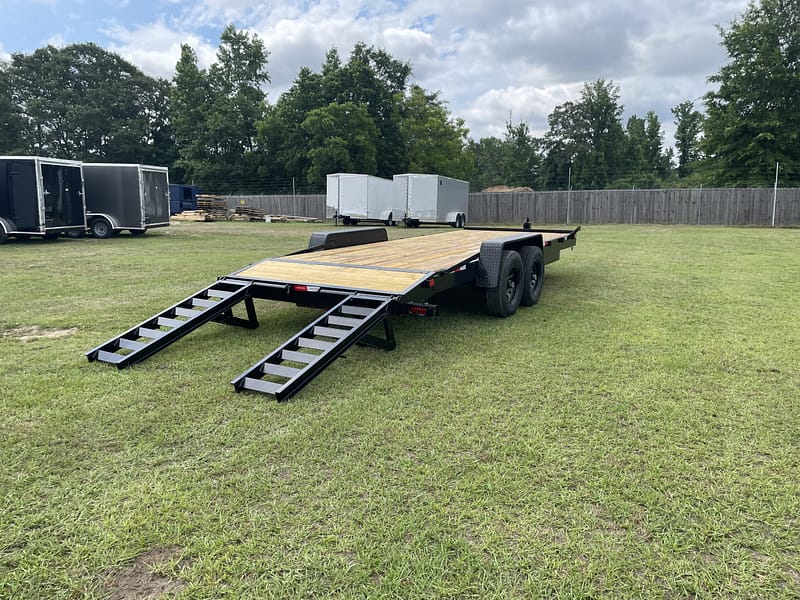
Car Trailer purchase tips in Raleigh North Carolina Purchasing a car trailer in Raleigh, North Carolina can be a big investment, especially if you plan to use it frequently for hauling vehicles or equipment. Whether you\’re transporting a car, truck, motorcycle, or other vehicles, it’s important to choose the right trailer for your needs. Here are some tips to help you make an informed purchase: Determine the Type of Car Trailer You Need Car trailers come in a variety of types, each suited for different purposes. Here are some common options: Open Car Trailers: Best for: Transporting cars or trucks when weather protection is not a major concern. Size: Typically available in 7’ x 14’ to 8’ x 20’ sizes. Advantages: These trailers are lighter, more affordable, and allow for easier loading and unloading. They are also usually more versatile for hauling different types of vehicles. Disadvantages: Exposed to the elements, so not ideal for long-distance travel with expensive cars or those that need protection from the weather. Enclosed Car Trailers: Best for: Hauling valuable, classic, or luxury cars that need to be protected from the elements. Size: Available in sizes ranging from 7’ x 14’ to 8’ x 28’ or more. Advantages: Provides protection from rain, dust, and road debris. Great for keeping your vehicle secure and safe from theft. Disadvantages: More expensive, heavier, and requires more towing capacity. Also, less visibility compared to open trailers. Tilt Deck Trailers: Best for: Hauling low-clearance vehicles or equipment, or when you don’t want to use ramps. Advantages: The trailer tilts downward, making it easier to load and unload vehicles without needing additional ramps. Disadvantages: Generally more expensive, and may not have the same load capacity as a traditional flatbed trailer. Car Hauler Trailers with Ramp: Best for: Cars, trucks, or motorcycles that need easy access for loading. Advantages: Includes a ramp for easy loading and unloading. Many models are designed with adjustable axles for improved weight distribution. Disadvantages: Ramps can sometimes be difficult to manage or maneuver, especially when you’re dealing with heavier vehicles. Know Your Towing Capacity Before purchasing a car trailer, you need to be sure your tow vehicle (usually a truck or SUV) can safely handle the weight of both the trailer and the vehicle you plan to tow. Check your vehicle’s towing capacity by referring to the owner\’s manual, or consult the vehicle’s manufacturer specifications. Gross Vehicle Weight Rating (GVWR): This is the total weight of the trailer plus the maximum weight it can safely carry. Make sure that your tow vehicle’s towing capacity is greater than the GVWR of the trailer, including the vehicle you intend to haul. Payload Capacity: This refers to the maximum weight the trailer can safely carry, not including the weight of the trailer itself. Ensure it matches your needs for the car or equipment you\’re transporting. Consider the Weight of the Car You’re Hauling Think about the weight of the vehicle(s) you plan to transport. You’ll want a trailer that provides adequate capacity for the car, but also one that can be safely towed by your vehicle. Standard Cars: Most standard sedans or small trucks weigh between 3,000 and 4,000 lbs. Larger Trucks/SUVs: Heavy-duty vehicles, like full-sized trucks, often weigh 5,000 lbs or more. Sports Cars or Custom Vehicles: Classic cars, sports cars, or low-clearance vehicles may have unique weight distribution needs. If you\’re transporting a low-sitting or modified vehicle, you might want to opt for a tilt deck trailer or a lower profile open trailer. Check the Trailer’s Axles and Suspension Axles and suspension play a critical role in the performance of the trailer, especially when towing heavy vehicles over long distances. Single vs. Tandem Axles: Single Axle Trailers: These are typically sufficient for lighter vehicles (up to 3,000 lbs). They’re more affordable but may not be as stable at higher speeds or on rough roads. Tandem Axle Trailers: Better for heavier vehicles or long-distance hauling. The additional axle offers greater stability, better load distribution, and less wear on the tires and suspension. Suspension Type: The type of suspension affects the ride quality and durability of the trailer. Look for leaf spring suspension for heavy-duty trailers, which is more robust for carrying substantial loads. Ensure Proper Loading and Tie-Down Features Make sure the trailer you select has adequate loading and securing options for your car or vehicle. Loading Ramps: If you need to load vehicles manually, make sure the trailer includes ramps that are long, wide, and sturdy enough to safely load your car. Ramp Styles: Some ramps fold up, while others are permanent. Folding ramps are typically more compact and easier to store. Tilt Decks: If you don’t want to mess with ramps, tilt deck trailers are a great option that simplifies the loading process. Tie-Down Points: A car trailer should have sufficient tie-down points to secure the vehicle properly. This could be in the form of D-rings or E-track systems for adjustable tie-downs. Make sure they’re located in strategic places on the deck so you can secure the vehicle by the tires or chassis. Straps and Chains: Always check the tie-down straps for their weight rating and make sure they are in good condition. You’ll want ratchet straps or chains to safely secure your vehicle in place, especially if you’re transporting an expensive or valuable car. Review Trailer Materials and Construction The build quality of the trailer is important for durability, weight, and ease of towing. Steel vs. Aluminum: Steel Trailers: Steel is more durable and tends to be less expensive, but it’s also heavier and can rust over time, especially in humid environments like Raleigh. If you choose steel, be sure it has a protective coating to resist corrosion. Aluminum Trailers: Lighter than steel, aluminum trailers resist rust and corrosion better. They’re a good option if you plan to frequently tow in wet conditions, such as through Raleigh’s rainy seasons. However, they tend to cost more. Flooring Material: The floor of the trailer should be sturdy